
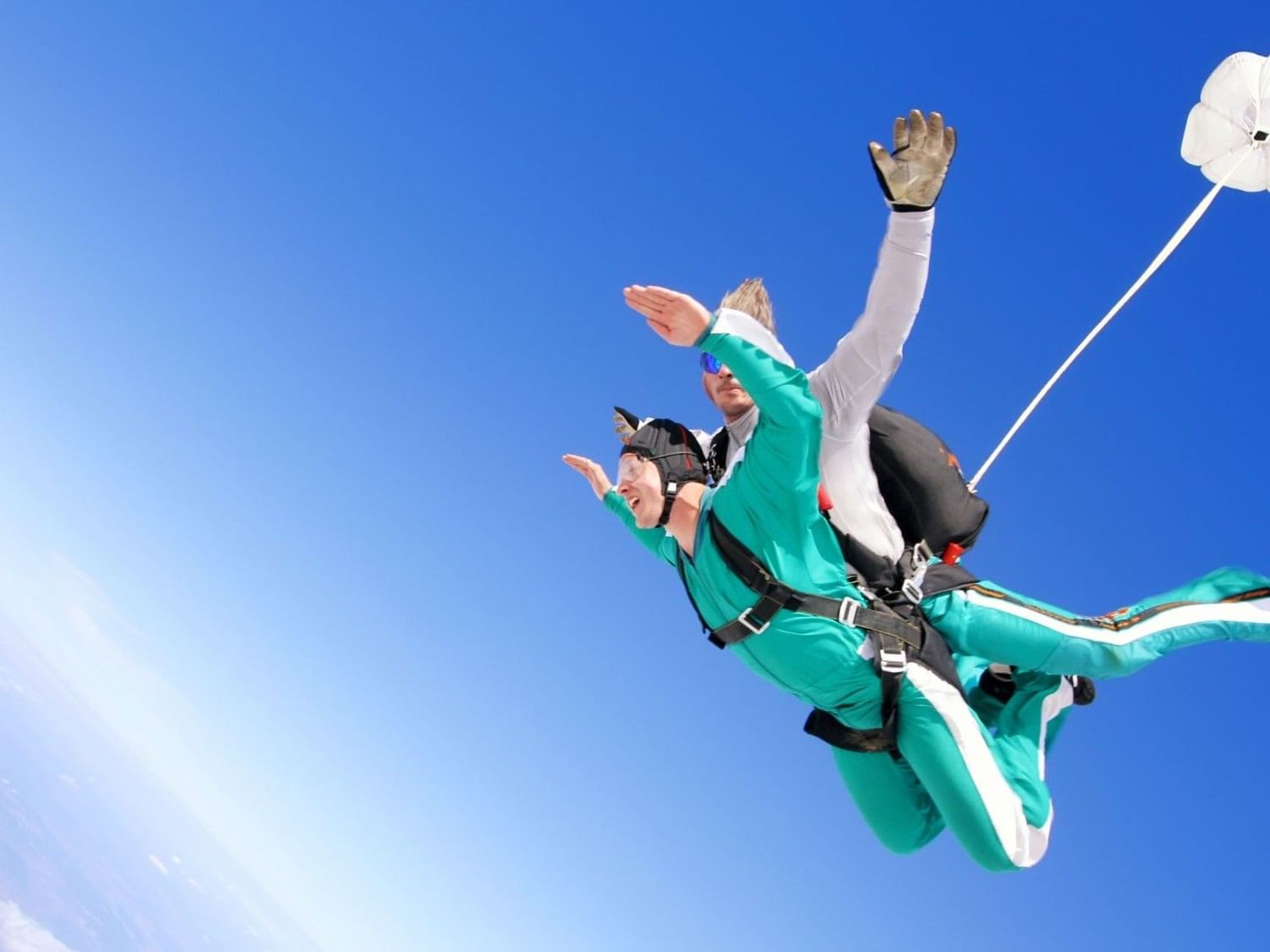
Oahu is famous for its beaches but it’s also one of the most exciting places in the world for adrenaline seekers. Whether you want to free-dive with sharks on the North Shore, soar doors-off in a helicopter, skydive over the coastline, race ATVs through a reclaimed quarry, or fly a parasail above Waikiki, Oahu has safe, well-run experiences for every level of thrill-seeker. If you’re staying in Waikiki, the Waikiki Resort Hotel puts you close to the action and can help arrange tours, transport, and local tips to make the most of your adventure.
Oahu Extreme Adventures: Shark Dives, Skydiving, Ziplines & More
Quick answer
- Top 5 extreme activities on Oahu:
- shark encounters (cage & cage-free)
- doors-off helicopter tours
- skydiving
- Coral Crater ziplines & adventure course
- ATV/UTV off-road tours.
- Best season for most water-based activities is May–October (calmer seas); winter (Nov–Mar) is for big-wave surfing and pro-only experiences. Book high-demand tours 2–8 weeks in advance.
Why Oahu for extreme adventures
- Geography and climate: Oahu’s reef-fringed bays, dramatic north shore, and protected harbors make for predictable, extractable adventure experiences year-round.
- Experienced operators: Long-running, licensed companies (shark tour outfitters, helicopter fleets, Coral Crater, Kualoa Ranch) prioritize safety, certifications, and conservation.
- Conservation-minded options: Many shark and marine operators offer science-led, ethical encounters—good for thrill-seekers who care about sustainability.
How to choose the right adventure
- Match intensity to fitness and nerves: Cage shark dive or doors-off heli for high thrills with less physical demand; skydiving and ATVs require higher tolerance and sometimes age/weight minimums.
- Consider seasonality: Water clarity and swell patterns change by season—summer (May–Oct) is calmer; winter brings large North Shore swells. Read: Best Time to Visit Oahu: Weather, Crowds & Prices by Month
- Family vs solo: Many tours accept children (age limits vary). For mixed groups, select activities with observer options (helicopter, parasail).
Shark encounters — cage and cage-free
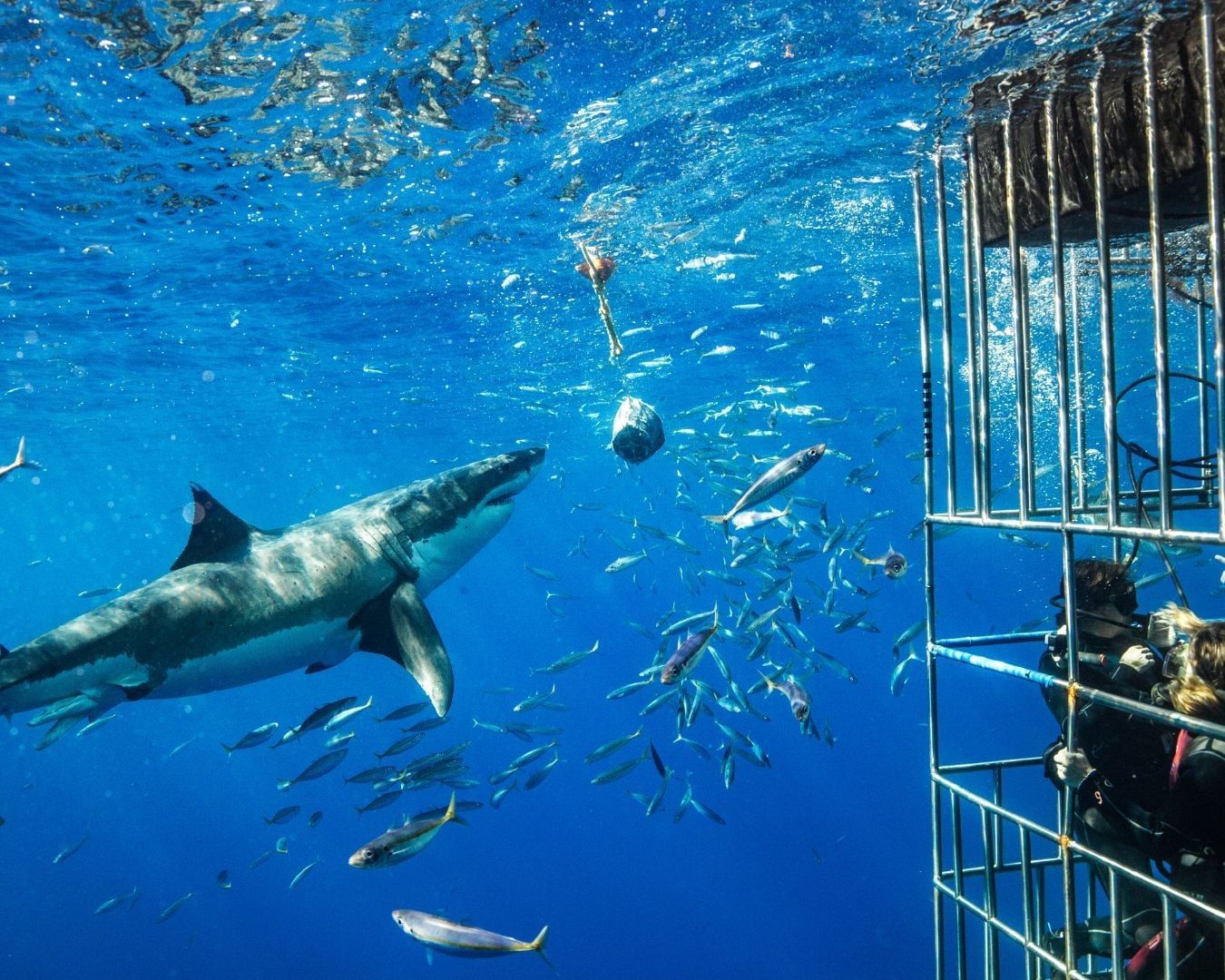
Cage diving on the North Shore
- What it is: Participants board small boats from Haleiwa Small Boat Harbor and visit moored cages or chummed areas 2–4 miles offshore to view Galapagos, sandbar, and tiger sharks. Tours last ~1.5–2 hours door-to-door.
- Logistics: Morning departures (6–8 a.m. in summer), mask/snorkel provided, boats return by early afternoon. Transport or pickup from Waikiki often available.
- Safety & experience: Operators run safety briefings, sturdy cages that hold up to 6–8 people, and experienced captains. Sightings are frequent; some companies advertise guaranteed sightings.
- Who should go: Anyone curious but nervous—being inside a cage reduces perceived risk while delivering a thrill.
Cage-free / free-dive shark experiences
- What it is: Small-group, guided free-dives or surface swims where certified guides and marine biologists facilitate respectful encounters without a metal cage.
- Operators: Science-led outfits emphasize shark behavior, conservation education, and minimal disturbance (example: One Ocean Diving model).
- Who should go: Experienced snorkelers/divers comfortable in the open water who want immersive, conservation-focused encounters.
Ethics and conservation
- Look for no-chum or limited-chum policies, strong safety records, small group sizes, and operators that contribute to research or education (some supported the HB553 protections in Hawaii).
- Avoid operators that bait excessively or encourage wildlife harassment.
Parasailing & aerial alternatives
- Locations: Waikiki and Ala Moana are common departure points offering frequent daily flights.
- What to expect: Tandem or triple flights, dry takeoff/landing from boats, optional water touch. Flights run hourly in good weather; observers can book non-flying tickets.
- Age/weight: Minimum age often 5+; weight limits and line capacities vary—check operator rules.
- Pros vs helicopter: Parasailing is cheaper and steadier for families; helicopters give panoramic views and faster coverage of the island.
Helicopter tours (doors-off & private charters)
- Types of flights: Short scenic flights over Waikiki & Diamond Head, doors-off photography flights, private charters with landings, and inter-island transfers.
- Doors-off tips: Expect harnesses and briefings; secure cameras and wear layered clothing for wind chill.
- Safety & regulation: FAA-regulated companies with strong safety records (Blue Hawaiian, Rainbow, others) are preferable; weather cancellations are common for safety.
- Who should go: Photographers, couples celebrating special moments, or travelers wanting island-scale perspectives in 20–60 minute packages.
Skydiving over the North Shore
- The experience: Tandem jumps from 8,000–14,000 ft with 25–75 seconds of freefall and several minutes under canopy; drop zones are typically on the North Shore.
- Logistics: Expect 1–3 hours at the drop zone (paperwork, briefing), weight limits and medical restrictions apply.
- Safety: Choose operators with long local histories and USPA-certified instructors; video/photo packages are common add-ons.
- Best for: Experienced adrenaline fans and first-time jumpers who want the “ultimate” view of Oahu.
Ziplining & aerial parks (Coral Crater)
- Coral Crater highlights: Solar-powered, sustainably run park offering ziplines from 300–1,000 feet, ropes courses, a 50-foot free-fall element, and ATV combos.
- Course types: Single-line scenic zips, race lines, canopy tours, aerial obstacle courses for different thrill levels.
- Safety: Modern braking systems, certified guides, and detailed briefings. Age/weight limits apply.
- Combine with: ATV or UTV adventures for a full-day adrenaline package.
Off-road adventures — ATVs, UTVs & dirt bikes
- Operators & terrain: Coral Crater and Kualoa Ranch run guided ATV and UTV Raptor tours through reclaimed quarries, jungle tracks, and scenic valleys. Rental dirt bikes and electric dirt bikes are also available in some parks.
- Requirements: Driver age limits (often 18+ to drive), valid ID, weight restrictions, waivers, and a safety deposit hold in some operations.
- Safety & expectations: Follow guide instructions, wear closed-toe shoes, bring change of clothes; expect dusty, muddy fun and slow, guided sections plus short “open” spots to stretch speed safely. Stay on designated trails; avoid trespassing on private land or sensitive habitats.
Scuba, snorkel & other extreme water sports
- Advanced options: Technical scuba, deep dives, and freediving clinics are available for certified divers; some operators offer freedive-with-shark experiences for advanced participants.
- Snorkel hot spots: Summer offers clearer visibility for Hanauma Bay, Shark’s Cove (North Shore calm months), and reef snorkeling near Waikiki.
- Seasonal note: Winter surf can close some snorkeling spots; always check local conditions and operator guidance.
Practical info: booking, cancellation, and what to bring
- Booking windows: Peak season (June–Aug, Dec–Jan) fill fastest—book 2–8 weeks ahead; certain activities (doors-off heli, skydiving, popular shark tours) may book out even earlier.
- Cancellation & weather: Reputable operators offer re-booking or refunds for weather cancellations; read small-print about reschedules and credit holds.
- Packing checklist: reef-safe sunscreen, rashguard, closed-toe shoes, water bottle, motion-sickness meds, photo/video add-on purchases, government ID, and a credit card for incidental holds.
- Transport: North Shore is 45–75 minutes from Waikiki depending on traffic; many operators offer Waikiki pickup for a fee.
Safety, legal & health considerations
- Waivers & limits: Most operators require signed releases and note age/weight/health restrictions; pregnant guests are usually prohibited.
- Insurance: Adventure sports often have limited coverage in standard policies—check and consider an adventure-sport rider or travel medical insurance.
- Emergency contacts: Save your tour operator’s emergency number, local coast guard, and Waikiki Resort Hotel front desk number.
Sustainability & responsible adventure travel
- Choose operators with research or conservation programs; ask about chumming policies and community benefits.
- Small groups reduce wildlife stress; operators that fund beach cleanups or local education are preferable.
- Leave-no-trace on land tours; stick to trails and follow guide instructions to protect fragile habitats.
How to vet operators
- Check licenses, safety records, guide-to-guest ratios, and up-to-date insurance.
- Read mixed reviews on TripAdvisor and Google; look for recent photos and verified bookings.
- Ask direct questions: chumming policy for shark tours, FAA accreditation for helicopters, and gear maintenance schedules.
- Red flags: vague safety answers, no clear cancellation policy, or operators that pressure add-ons.
Costs & what to expect (ballpark)
- Shark cage dive: $90–$200 (includes gear, sometimes transport)
- Cage-free educational swims: $150–$250
- Parasailing: $70–$140 per person
- Doors-off helicopter: $200–$600 per person (short to long routes)
- Skydiving tandem: $300–$450 per person (video/photo optional)
- Zipline/Coral Crater: $80–$160 per person
- ATV/UTV: $80–$200 per person
Prices vary by operator, inclusions, transport, and seasonal demand.
Frequently Asked Questions (FAQ)
Q: Are shark cage dives safe on Oahu?
A: Yes when run by licensed operators; safety briefings, sturdy cages, and experienced crews make cage dives low-risk—follow guide instructions.
Q: What’s the difference between cage and cage-free shark tours?
A: Cage dives use metal cages for separation; cage-free tours are small-group, guided free-dives focused on respectful, close encounters and education.
Q: Can kids go on extreme tours?
A: Many accept children, but age/weight limits vary—parasail and some zipline courses accept young kids, while skydiving and some ATVs have strict age minimums.
Q: Do I need to bring my own gear?
A: Most tours supply masks, snorkels, life vests, and helmets. Bring reef-safe sunscreen, water shoes, and a waterproof camera if you want personal photos.
Q: When is the best time for water-based activities?
A: Summer (May–October) offers calmer seas and clearer visibility; winter brings big surf (Nov–Mar) better suited for pro surfing than snorkeling.
Q: Are these activities covered by travel insurance?
A: Many standard policies exclude “high-risk” activities—check your provider and consider adding an adventure-sports rider.
Q: How far is the North Shore from Waikiki?
A: Plan 45–75 minutes by car depending on traffic; early departures beat the commute and crowds.
Q: What should I wear for skydiving or ziplining?
A: Comfortable clothes and closed-toe shoes; layers for wind during skydiving; secure loose items and remove jewelry.
Q: Are doors-off helicopter flights safe?
A: Yes with reputable FAA-regulated companies that provide harnesses and briefings; follow crew instructions carefully.
Q: How far in advance should I book?
A: Peak months: 2–8 weeks; extremely popular tours may need earlier bookings.
Q: Do shark tours use chum?
A: Practices vary—ethical operators minimize or avoid chum and focus on natural encounters; always ask before booking.
Q: What if bad weather cancels my activity?
A: Reputable operators offer rebookings or refunds; check policies and consider travel protection.
Book your Oahu extreme adventure (and stay with us)
Ready to plan? The Waikiki Resort Hotel is ideally located for connecting to Oahu’s top adventure providers and can help arrange transport, preferred operator contacts, and timing to make your day run smoothly.
Book direct with Waikiki Resort Hotel to enjoy exclusive benefits, including complimentary signature breakfast at Ilima Cafe for direct bookings and additional savings on select packages. Call the Waikiki Resort Hotel concierge or visit our reservations page to reserve your room and arrange your Oahu extreme adventures today.